

A different way of understanding ourselves.
What is nervous system literacy?
We spend our entire lives experiencing the world through our nervous system. It shapes how we think, feel, behave, learn, connect and respond to stress.
But most of us are taught very little about how our nervous system actually works and the profound impact it has on our daily lives.
Nervous system literacy is the ability to understand ourselves and others through the lens of biology and lived experience.
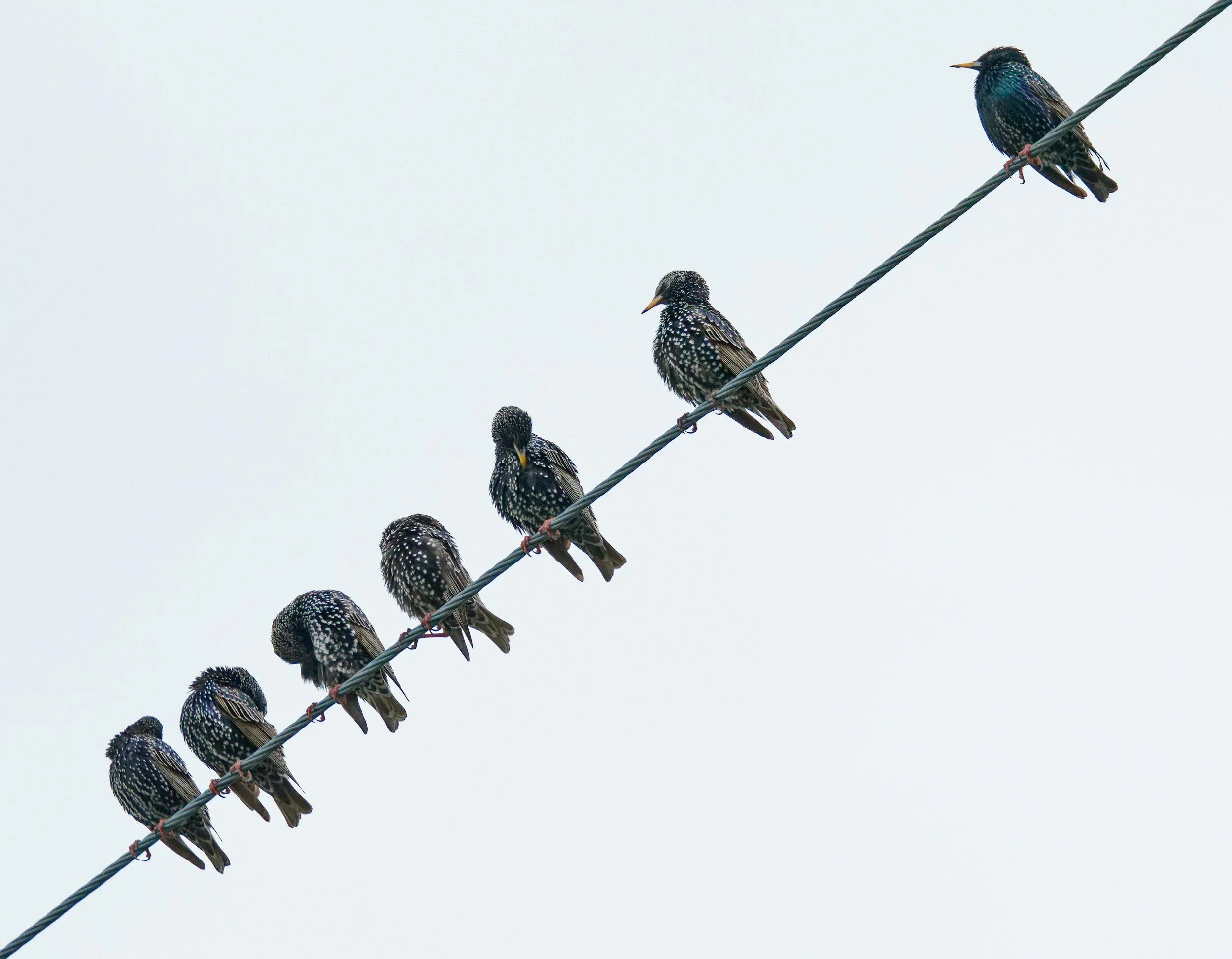
Humans are designed to adapt
Every organism exists in relationship with its environment. To survive, it must constantly detect change, respond to challenge and adapt.
Our thoughts, emotions and behaviours didn't appear by accident. They evolved because they help humans survive.
Our nervous system was shaped over millions of years, but many of the challenges we face today are remarkably new.
The world has changed faster than our biology has.
The world has changed rapidly. Our biology hasn't. Every organism carries the story of its environment and humans are no different.
Many of the challenges we struggle with make sense when we see them as adaptive responses rather than personal failings.
Nervous system literacy encourages us to ask a different question
Rather than asking, "What's wrong with me?", nervous system literacy encourages us to ask:
"What might my nervous system be trying to achieve?"
-
What if anxiety is not a weakness, but a nervous system trying to protect us from threat?
-
What happens when a system designed for survival spends too long under pressure?
-
Why do intelligent, caring people sometimes react in ways they later regret?
-
What if procrastination is a protective response rather than laziness?
-
Why can being seen, speaking up or standing out feel so terrifying even when we want to do it?
-
What if perfectionism is an attempt to feel in control and stay safe?
-
Why is belonging one of our most powerful human needs?
-
What if self-harm is an attempt to regulate our nervous system and keep us safe?
-
Why do we make different decisions when we’re under pressure?
-
Why can even positive change feel so uncomfortable?
-
Why is it easier to find purpose when we feel safe enough to explore?
-
Why can earning, charging or asking for more feel so deeply uncomfortable?
Why this matters
We are living in a time of profound change. Rising anxiety, increasing loneliness, accelerating environmental change, and growing demands on our attention, education and healthcare are placing unprecedented demands on the human nervous system.
The consequences of not understanding our biology are visible everywhere – in our schools, workplaces, relationships and society.
One of the missing pieces is teaching people how they work as human beings.
Nervous system literacy is a foundation for understanding what it means to be human, and for making sense of the thoughts, feelings and behaviours that shape our lives.
The better we understand ourselves, the better equipped we are to navigate a rapidly changing world.
Learning about our nervous system should be as fundamental as reading, writing and mathematics – not because it solves every problem, but because it allows us to see things more clearly, ask better questions and make better decisions.